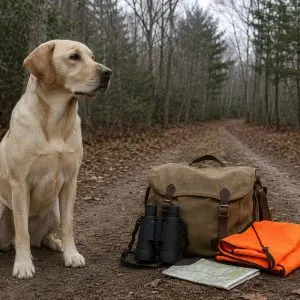
Poorly packing for long hours of wildlife observation can soon reveal defects in your equipment. A bottle in the bottom of your spare clothes can be a real problem, damp optics can mean the end to a great sit, and an over-loaded shoulder strap can cause immense discomfort and distract from the scenery around you. When out hunting for short periods and moving from viewpoint to viewpoint, you need to think about your pack in a different way. A day pack for hunting needs access for water, optics, and layer, and room for other comfort items.
Start with the sit, not the gear
When planning your bag for a wildlife observation outing it's a good idea to start by planning your sit. If you're moving from spot to spot during the day then you'll need a bag with a different configuration to someone who'll be settling into a blind for the day. The person who's been to invest in a seat pad, layers and food for his/her time in the blind will likely find that his/her daypack is half the size of their colleague's.
Use the main body of the pack for less frequently used items like a spare layer, or some basic first aid supplies at the bottom of the pack. Place frequently used items in external pockets around the pack. This means that items like binoculars, your water, a snack, lens cloth, etc. can be located at the top of the pack. Remember to keep the bag organized by storing these items in a zippered pouch to prevent loose items from rattling about inside the pack.
An overly large bag encourages overpacking of gear, which may be left at home even if the bag has ample space.
Make hydration and food easy to reach
Hydration should be accessible from the pack without having to take it off your back. The side pocket, bottle sleeve or even reservoir found in some daypacks can provide excellent solutions to keep your hydration close at hand. Just make sure the bottle is closed securely to prevent leakage of liquids such as water or even insect repellent which could damage clothes, notes or optics stored below.
For the length of your outing and the weather forecast for your trip, bring enough water and consider taking some extra in case of unexpected delays on the way back. The amount of water needed depends on how much you will be exercising while out in the field as well as on how far you are from reliable sources of clean drinking water. While water found in the outdoors can be consumed after proper treatment, it is not wise to assume that all water found in the wild is safe for human consumption.
Food for wildlife watching should be quiet, simple to eat and usually packed in packaging that does not crackle or makes other loud noises when opened. Most simple food items can be left at home as they can deteriorate in hot temperatures. Packages and leftovers must be stowed in a pocket or in a bag to prevent them from attracting animals to your presence.
Protect binoculars and manage weather
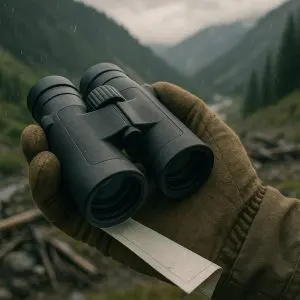
Binoculars are often the biggest items in a wildlife observer's kit. They should be protected from damage and easily to hand. A padded case or specialized compartment will protect them from damage in your daypack. Lens cleaning cloths should be stored in a clean, sealed bag to prevent them from getting dusty or dirty.
Fog, rain, dust and cold can all affect your optics, so consider a lightweight rain cover for your bag, or a waterproof layer to put your items in. This does not have to be as complex as fully sealing your gear off from the weather and could simply be a waterproof pouch to put your maps, phones and spare batteries in to stop them getting damp and interacting with your damp clothing or wet food packaging.
Do not use a shirt sleeve to wipe grime from lenses. Instead, use a soft brush to clear away loose dirt and then use the correct lens cleaning material and lens cloth.
Pack for field comfort, not just distance
If you go for a long walk, comfort is not just a matter of packing enough for the distance. A sit pad is very useful when you stop for a long time to observe something and the ground is cold and damp. A light insulating layer can be useful too, even if it is not needed for the walk in. For sun protection a hat or other such article is needed. If you intend to be out for a long time and will be holding your binoculars for long periods of time, consider packing gloves too.
Adjust your bag's straps before you set off. Your load should be comfortable against your body. If you find that after a short while one shoulder starts to ache, your bag is swinging from side to side, your straps are not evenly set or there is evidence that items have shifted while you are moving, it's clear that you have distributed the contents incorrectly and heavy items need to be repositioned so that they are closest to your body's center.
Remember a small sit pad, a few spare socks or even a soft layer (such as a fleece) can provide good cushioning between your back and any hard objects within your pack. However, it must be noted that you should not use your only dry change as a cushion! Once that has been used as such, you will soon find that your comfort has been rapidly dissipated.
Keep a quiet, useful field kit
In addition to the items listed above, bring a small first aid kit, a phone, a notebook and a pencil, a headlamp, and any relevant and necessary field guides and/or maps. A tool is only worthwhile if you know what you are going to use it for – and it will only add weight to your pack. Try to solve any problems you might encounter with the items you already have in your bag.
Be sure to check the flashlight before you go, and test to make sure that the phone has enough charge, and that you have spare batteries for any of your gear, as well as that any closures are functioning properly, and that you have all of the necessary water treatment equipment.
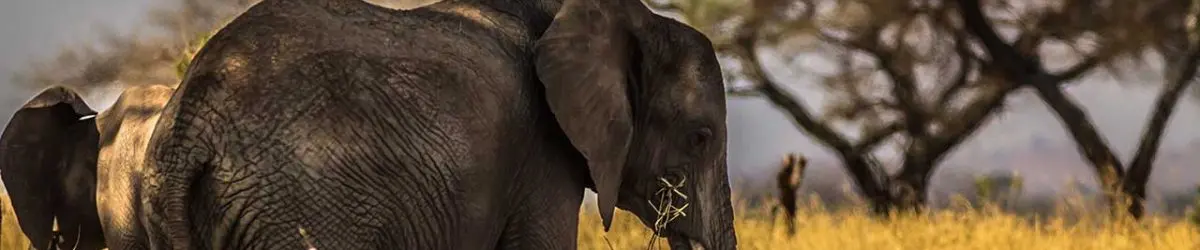
Remember to pack for wildlife observation too! Keep your voice down and refrain from playing or calling wildlife unnecessarily. Give animals a wide berth and adhere to any access restrictions, including seasonal ones. Be sure to check with the land manager for current rules and regulations before you head out and make sure to take all of your trash including packaging for food and broken tape with you.
Test the load before the outing
A short trial run of a good daypack before you go is far better than the perfect packing list. Pack it, go for the distance you plan to and then sit down for a while to see if it is comfortable. Identify any uncomfortable areas, any noisy closures, any difficult to reach pockets and anything that you find you want to take out of your pack and leave behind. Then re-pack your pack to try to minimize these problems.
Be sure to check the weather and route before you leave and adjust your layers, amount of water and even the size of your bag as needed. Keep your binoculars, your hydration and the layer you think you'll most need right at the top of your pack.
A good backpack is quiet, compact and works well. It should enable you to watch tracks, movement and habitat without having to search through a packed bag for items that you have forgotten you packed.