The part of game hunting that people often forget is the very first choice you make: figuring out what the situation actually allows. A gun you know a stand you are used to a pack you have had before or a calling method you trust can be the wrong choice when wind, the way in comes the land how much you can see or the way animals move changes. Good preparation starts with a look at the land and what the day will bring, then matching the tools and the way you hunt to that look. The end result is not a difficult hunt. It is a hunt, a more responsible hunt and a more flexible one.
Start with the land, not the tools
Look at the hunting area at a scale that's useful before you start packing. Find areas that're steep places where you have to cross water, thick places where you can't see, open slopes, places where animals like to move and spots where a shot might not be safe or where you couldn't get the animal back. A map helps,. It doesn't show every new washout, fence, recent cutting or thick patch of plants. If the way in is not familiar give yourself time to check it out and make sure where cars, walking and animals are allowed.
The land also decides how much gear is wise to bring. A light gear setup might work for a climb while a place where you stay still and wait near a known path might justify more layers, better tools or more food. Carrying gear doesn't fix a bad plan. The simple question is: can you get to the spot you chose without making much noise getting too tired or hurting the land?
Private lines and public rules need the attention as the land. Mark where the property lines are, where there are closures, where roads are blocked and where you can't shoot before the hunt. Don't think that a digital map is up to date. Check with the person in charge of the land. Look at the latest official info.
Let the weather change the plan
Weather affects how much you can see, how scent moves, where you can stand, how animals act and how safe a recovery is. Wind that changes often can make a plan you worked on not work. Rain can keep your steps quiet but wipe out signs make streams bigger and turn a path for a car into a problem. Snow may make tracks easier to see. Make it slower and harder to leave.
Look past the details of the forecast. Check what the wind is doing and how it might change through the day when rain will come, how the temperature will change and what roads or trails are like. A forecast is a help for planning, not a promise. If things get worse the right decision might be to move make the hunt shorter or leave the area.
Clothes should help you move and wait without making noise. Test your layers, rain gear and shoes before the season. Cold hands, wet clothes and fogged glasses are not problems when they affect handling a gun making good choices or seeing the target clearly.
Match the gear to the chance
A hunting setup should match the distance how much you can. How much movement the land is likely to have. Thick woods might ask for a line of sight at close range while open areas need more attention to wind a good place to shoot from and being sure of the target. Don't pick your gear based on the shot you could take. Pick it based on the shot you can take confidently legally and properly in the conditions you're most likely to face.
Before you leave make sure the gun, bow or other legal gear is right for the animal and the time of year and that you can use it safely from the places the land offers. Practice shooting from sitting, kneeling or using a rest if those are positions. Check that your tools stay clean that your straps and fasteners are tight and that important parts can be used with gloved hands.
Don't try to change things on the spot. Any change that affects how the gear works how accurate it. How safe it is should be tested before the hunt not during it. Gear breaking is annoying; not knowing what a setup will do is a reason not to take the shot.
Put ethics into the choice
hunting is decided before you even see an animal. Set your rules about how much you can see how far you are, how the wind is, the angle you shoot from what is behind the animal how the animal is moving and how you can get the animal back. A chance that is allowed by law is not always the one. If anything is unclear. Skip it.
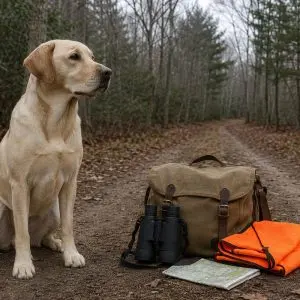
Use binoculars to make sure what is in front of you before touching a gun or getting ready to shoot. Check the type of animal the sex if it matters, the gun, the time of year and the tags. Know what is beyond the animal you are aiming at. In brush, broken land or busy public areas the safest move might be to move instead of trying to take a tight spot.
Planning how to get the animal is important too. Think about where the animal might go who can help how much light is left, the temperature and the way to carry the meat. If you can't make a plan to get the animal don't take the shot. Respect for the animal includes not wasting it and not making a search to find it.
Check the rules and the land again
Rules for hunting can change. Before every season and before going to an area look up the latest rules about dates, permits, tags what guns are allowed, which animals are legal and what needs to be reported. Check for emergency stops, fire rules, access signs and local rules. Keep the papers you need easy to find and don't trust your memory from year.
Taking care of the land is part of the prep not something you do after. Use paths and places that are already there when possible avoid hurting ground close gates the way you found them and take everything you brought with you. Stay away from cows, homes, camps and other hunters. Animals notice when people are around a lot and public land is shared with others who have goals.
A check before the hunt can help keep the plan real:
– Conditions: wind, rain, temperature, how clear it is and where you can stand.
– Access: where the borders are, what is closed how the roads are and if you have permission.
– Setup: right gear, the place you can shoot from the clothes you wear and how you can talk.
– Ethics: knowing the animal what is, behind it how to get it back and your own limits.
– Rules: current laws, tags what needs to be reported and fire rules.
The list is only useful if it can change your decision. If the wind makes your plan bad the path is not safe. The rules are not clear change the plan. Preparation is not showing that your first idea will work. It is seeing when the conditions need an one.